What to Check Before Booking a Desert Buggy Ride
Booking a desert buggy ride should feel straightforward, but the details matter. The Dubai desert is a changing landscape of soft sand, firm tracks and open viewpoints. A ride that sounds similar on paper can feel quite different once you look at driving time, route style, safety standards and the level of guidance. A little checking before you reserve helps you choose an experience that suits your group and avoids surprises on the day.
Start with the type of drive you actually want. Some trips focus on a short burst of off-road driving, while others combine a dune buggy with other desert activities, meals or entertainment. The best choice depends on whether you want speed and dust, a relaxed photo stop, or a family-friendly outing with clear boundaries. Read the itinerary line by line and look for the amount of time spent driving, not just the total duration of the experience.
Driving format and route style
The term dune buggy covers different vehicles and formats. Some visitors drive their own buggy under supervision, some ride as a passenger, and others join a convoy led by a guide. Each option has a different feel. Driving yourself needs more attention and confidence. Riding as a passenger suits people who want the scenery without steering. A guided convoy can help less experienced drivers stay on a sensible line through the sand dunes.
Check whether the route follows marked desert tracks or includes steeper dune sections. Steeper sand can be exciting, but it also asks more of the driver and passengers. If the trip is described as suitable for beginners, look for signs of structure, such as a briefing, a lead vehicle and clear instructions about following distance. If the language is vague, ask before booking rather than assuming every participant will be comfortable.
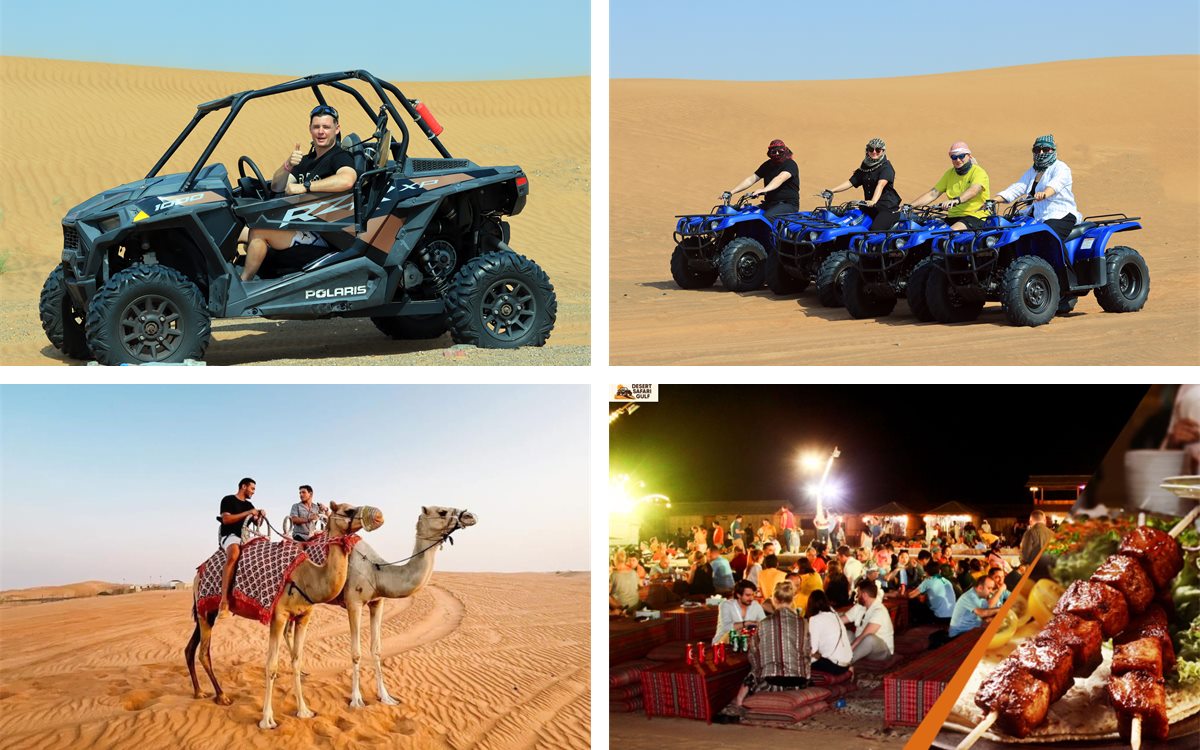
When comparing a dune buggy safari dubai listing with another option, look beyond the headline activity. The surrounding plan matters. A morning slot may be cooler and calmer, while a sunset safari may offer softer light and a different pace. Neither is automatically better. The right choice depends on your tolerance for heat, your photography plans and how your group handles a full day of desert conditions.
Safety gear and basic standards
Safety should be visible in the description, not treated as an afterthought. Check whether helmets are provided and whether participants are told how to wear them. Seatbelts or suitable restraints matter too, especially on uneven sand. Closed shoes are sensible, and loose clothing, scarves or loose accessories can catch on controls or create discomfort during a bumpy ride. A clear note about what to wear is often a sign that the operator has thought through the practical side of the activity.
It is also worth checking how the vehicle is presented. Clean, well-maintained equipment and a proper briefing are better signs than dramatic promotional wording. Mechanical work is not something a visitor should diagnose or attempt. If a vehicle looks damaged, sounds unusual or feels unstable, the sensible response is to stop and ask for assistance from qualified staff. Do not try to adjust mechanical parts, wiring or safety components yourself.
- Protective equipment: Confirm that helmets and any required restraints are included, and ask how they are fitted.
- Driving rules: Look for a clear briefing on speed, following distance and what to do if the group stops.
- Health limits: Check whether there are restrictions for pregnancy, back problems, neck injuries or recent surgery.
- Weather advice: Look for guidance on sun protection, hydration and suitable clothing.
Group size and supervision
A small group and a large group create very different days. With more participants, there may be more time at the starting point, more vehicles on the route and more pauses while everyone regroups. That can be fine if you enjoy a social atmosphere. It may feel less appealing if you expected a quiet run through the dunes. Ask how many buggies usually travel together and whether the guide stays close enough to give clear directions.
Supervision matters most for first-time drivers and younger passengers. A good setup sets expectations before departure and keeps communication simple during the drive. Hand signals, a lead vehicle and a clear regroup point can make the experience much easier to follow. If children are joining, check age rules, seating arrangements and whether the activity is genuinely suitable for them rather than merely advertised as family friendly.
Some visitors also want to know how much of the trip is shared with other activities. A dune buggy session attached to a larger desert camp may include waiting time, transfers, dining or shows. That can be good value in terms of a full outing, but it reduces the time spent on the buggy itself. Decide whether the drive is the main event or one part of a broader afternoon.
Timing, comfort and desert conditions
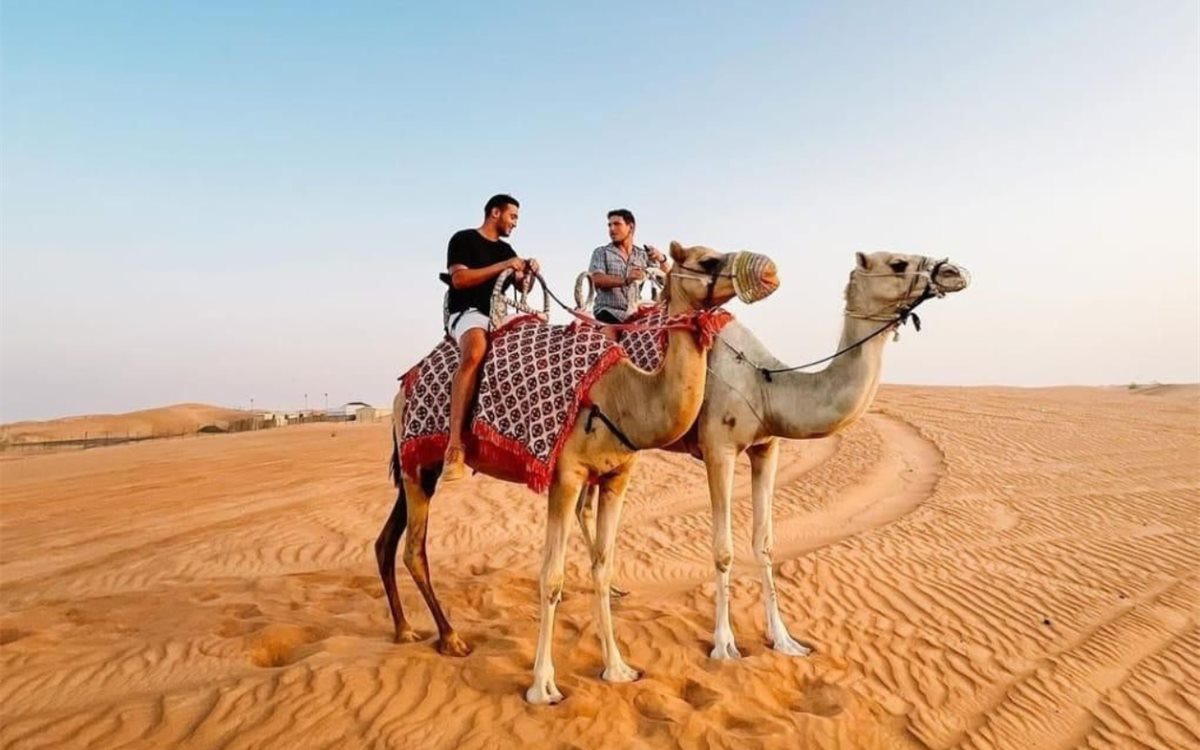
The desert changes quickly through the day. Midday heat can make even a short ride tiring, while late afternoon brings cooler air and longer shadows. Wind can change visibility and the feel of the sand. None of this should spoil the trip if the plan is realistic and the participant is prepared. Bring water, wear sun protection and choose clothing that allows movement without hanging loose.
If the booking includes a sunset safari, check how the schedule handles delays and photo stops. Sunset timing is a major part of the appeal, so a plan that spends too long at the start may miss the best light. At the same time, rushing through a briefing to reach a viewpoint is not ideal. The better option is a balanced itinerary with enough time for instructions, driving and a safe pause.
Transport is another practical point. Confirm where the experience begins and whether transport to the desert is part of the booking. If travel is not included, think about arrival time, parking and how the group will get back afterward. Desert pickup points can feel straightforward on a map but less obvious in practice, especially at dusk. Clear directions before the day make the start far smoother.
Booking terms and what is included
Before paying, check exactly what the reservation covers. Look at the driving duration, the vehicle type, safety gear, guide service, transport, meals and any extra activities. If something is not written down, ask for confirmation. A short exchange before booking can prevent a misunderstanding later, particularly when several people are paying as a group.
Also look at cancellation terms, rescheduling rules and weather policies. Desert activities depend on conditions, and a responsible plan should explain what happens if the experience cannot run as expected. Avoid relying on vague promises. Clear terms are more useful than polished wording, especially when travel plans are tied to a short stay in Dubai.
- Included items: Check what is part of the booking and what costs extra, without assuming that gear or transfers are automatic.
- Schedule details: Confirm the start time, meeting point and expected finish time in writing.
- Participant rules: Check age, height, health and driving requirements for every member of the group.
- Change policy: Read the terms for cancellations, delays and poor weather before committing.
Questions that reveal the quality of the plan
A few direct questions can tell you a lot. Ask who leads the drive, how the briefing works, and what happens if someone feels uncomfortable during the ride. Ask whether the buggy is driven one at a time or in a convoy, and whether passengers can request a slower pace. The answers should be specific enough to picture the day. If every reply is broad or evasive, treat that as a reason to pause.

Think about the balance between excitement and control. Fast driving over sand can be thrilling, but it is not the only measure of a good experience. The best outings make participants feel informed, comfortable and able to enjoy the Dubai desert without guesswork. That comes from clear organisation, sensible route choices and respect for changing conditions.
A well-chosen dune buggy safari dubai experience begins with simple decisions: choose the right format, check the safety basics, understand the schedule and confirm what is included. Once those points are settled, the rest is easier to enjoy. The drive becomes more than a line on an itinerary. It becomes a desert outing that fits your group, your comfort level and the kind of memories you want from the day.